As a lifelong horror game enthusiast, I've faced down my fair share of eldritch abominations, grotesque beasts, and supernatural entities. But let me tell you, the scares that truly linger, the ones that crawl under your skin and stay there, often come from a far more familiar source: other humans. Forget the zombies and demons for a second; the most unsettling horror games are the ones that hold up a mirror and show us the monster within. In 2026, this theme feels more potent than ever, with developers crafting deeply psychological experiences where the line between hunter and prey is terrifyingly human.
😱 The Horrors of Home: When Family Turns Foe
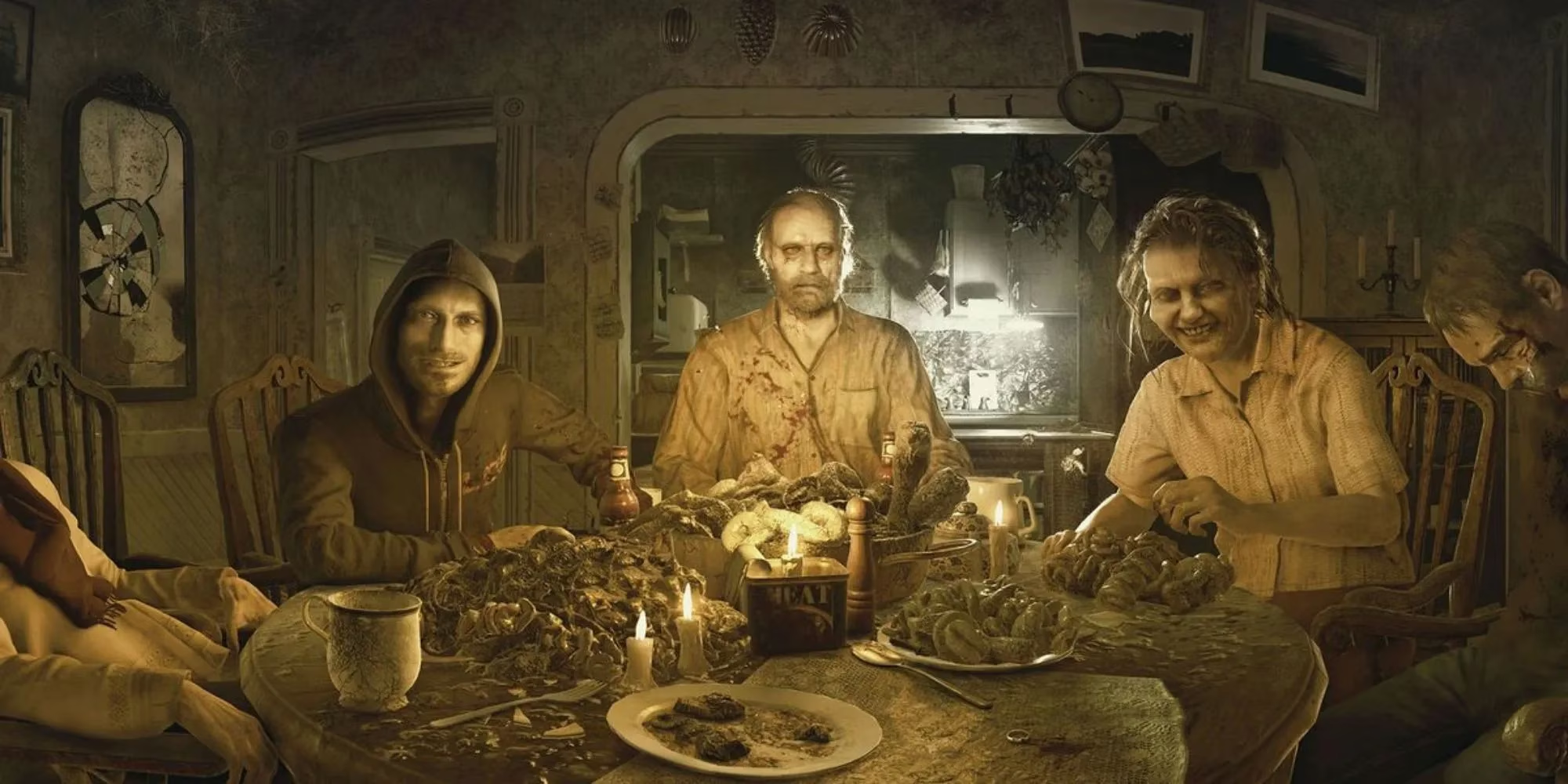
Nothing is scarier than a corrupted home. Resident Evil 7: Biohazard masterfully weaponizes this idea with the Baker family. You're not just fighting mutated monsters; you're battling a perversion of domesticity. The true terror isn't just their monstrous forms, warped by the mold entity Eveline, but the lingering humanity you can still see. The scariest member? Lucas. He's a stark reminder that sometimes, you don't need a supernatural catalyst to create a monster—sheer, cruel humanity is enough. This game taught me that the most disturbing transformations aren't always physical.
🎭 The Monsters We Create: Society's Dark Reflections
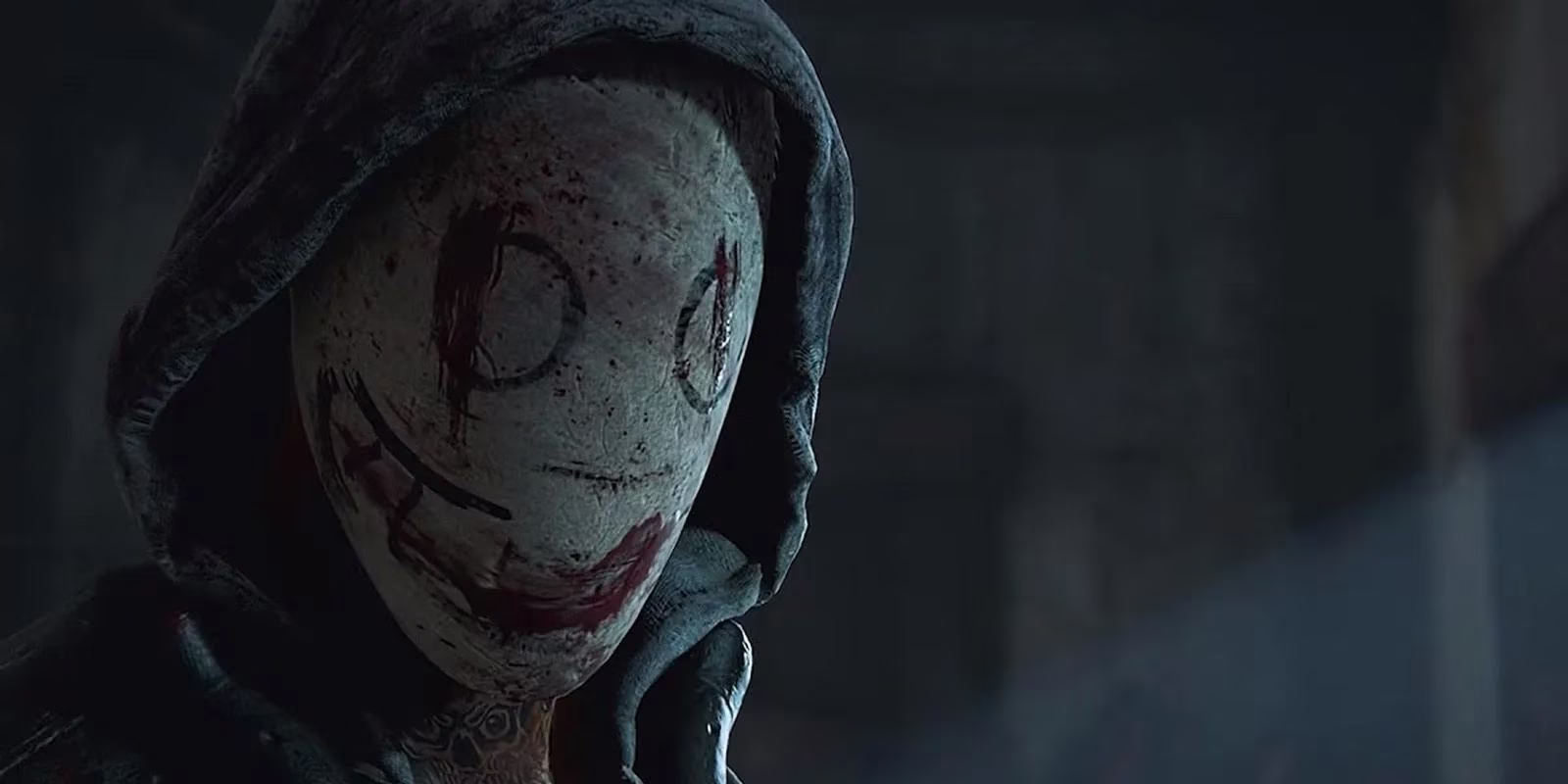
Dead by Daylight is a fascinating case study. The Entity's realm is populated by Killers, many of whom were once ordinary people shattered by trauma or driven by base desires. Take The Legion—a group of teens whose design is almost indistinguishable from the Survivors. Their proximity to "normal" is what makes them so unnerving. They represent how easily the mundane can tip into monstrosity. It’s a chilling exploration of how societal pressures, neglect, and raw emotion can forge the most dangerous predators.
👨🍳 Becoming the Beast: When YOU Are the Horror
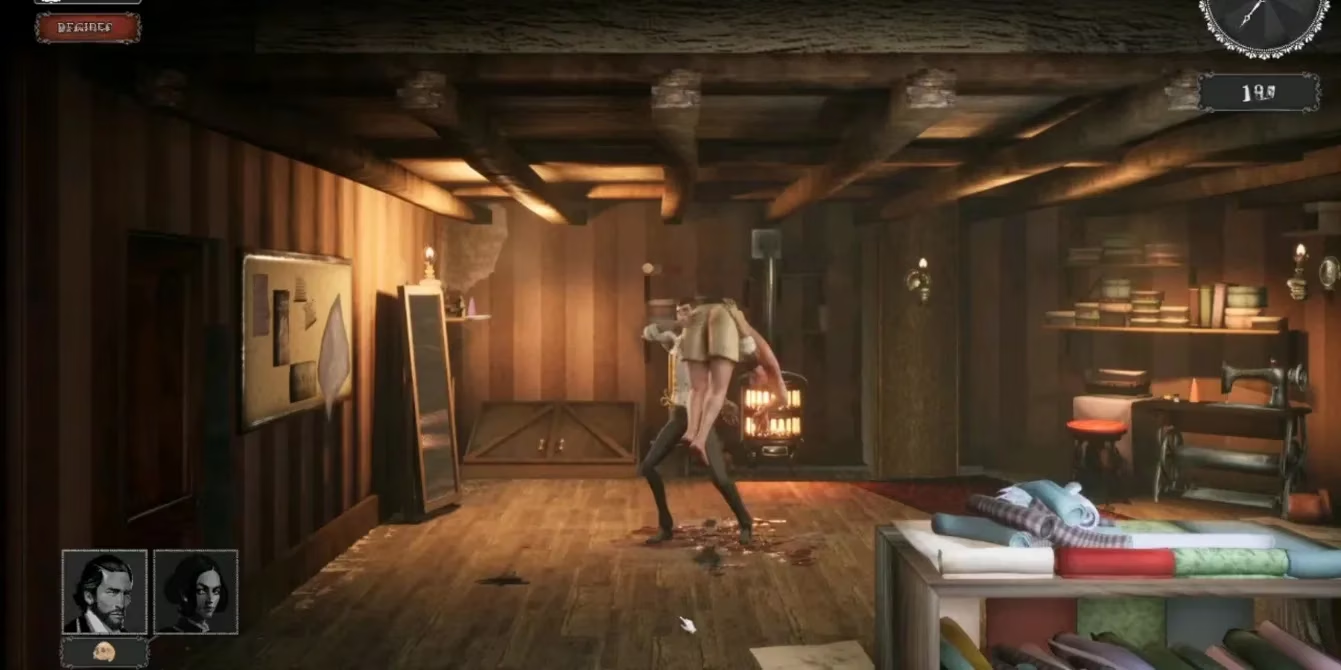
What's more terrifying than being hunted? Being the hunter. Ravenous Devils flips the script entirely. This macabre cooking simulator makes YOU the monster, running a tailor shop that's a front for something unspeakable. The gameplay loop—luring customers, then repurposing them into garments and meat pies—is a darkly satirical take on consumerism and greed. The horror here is complicit; it asks how far you're willing to go for wealth and comfort. It's a stomach-churning reminder that monstrosity often wears an apron and a smile.
🔪 The Banality of Evil: Violence Without Reason
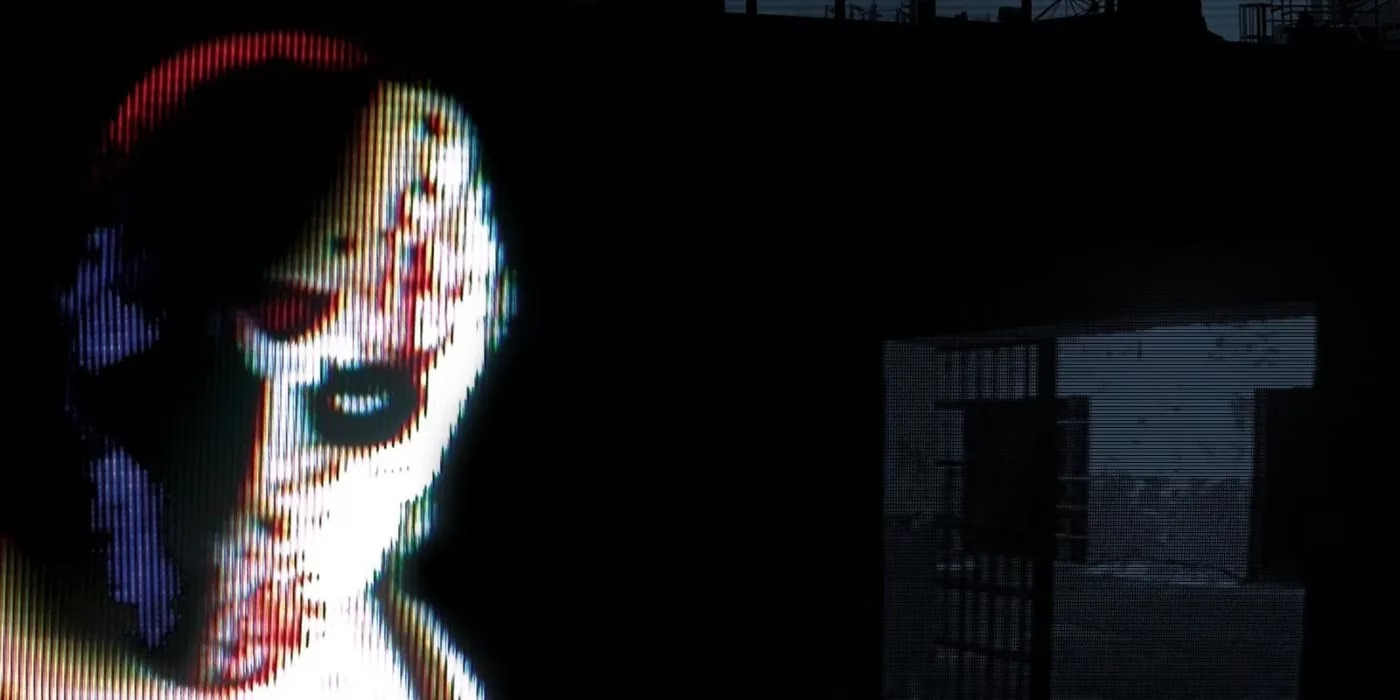
Manhunt remains a landmark title for its raw, unflinching look at human cruelty. There are no viruses, no curses—just people with a "mindless need for violence." The Director, pulling the strings, embodies a chilling form of monstrosity: the orchestrator who finds artistry in atrocity. The game forces you to perform increasingly brutal acts, making you question your own role in the spectacle. It argues that the most profound horror isn't supernatural; it's the human capacity for savagery, amplified by anonymity and power.
🌐 Digital Predators: The Horrors of the Modern World
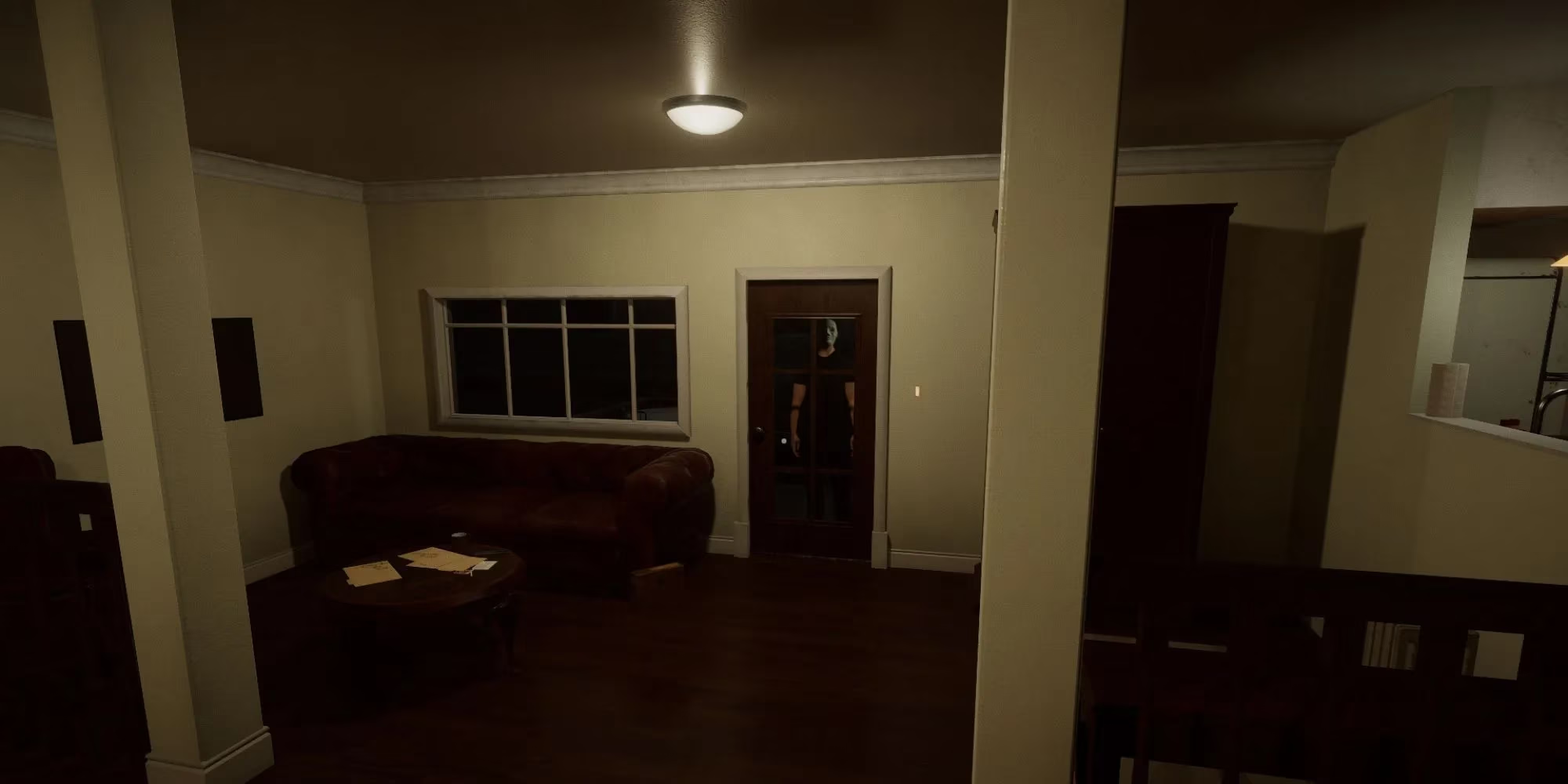
In our hyper-connected era, monsters have migrated online. Welcome to the Game 2 captures this modern dread perfectly. The threat isn't a ghost in your house but a human predator on the Deep Web—figures like the Dollmaker or Noir. The horror is cerebral and paranoid, born from the knowledge that a wrong click or a failed security check can bring a very real, very human danger to your doorstep. It’s the fear of the digital unknown, proving that the most contemporary terrors wear a human face behind a screen.
🏰 Gothic Human Horrors: Pursuit in the Manor
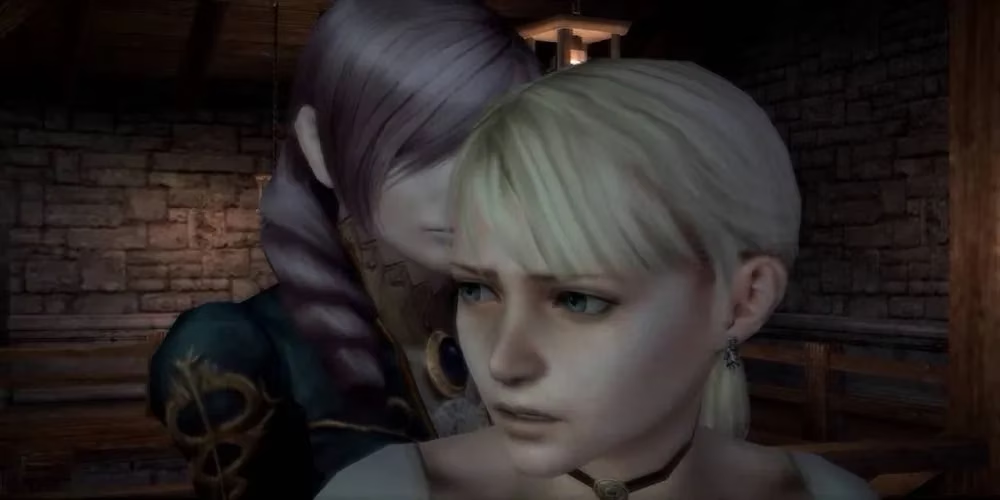
Classic survival horror often roots its fear in distorted humanity. Haunting Ground (inspired by the legendary Clock Tower series) is a masterclass in this. Your pursuers—like the hulking Debilitas or the obsessive Riccardo—are human in origin, their monstrousness stemming from obsession, madness, or warped desire. Similarly, the iconic Scissorman from Clock Tower is a title passed down, a legacy of human violence. These games show that a man with shears can be as terrifying as any demon when driven by a twisted purpose.
🔍 Small-Town Monstrosity: The Evil Next Door
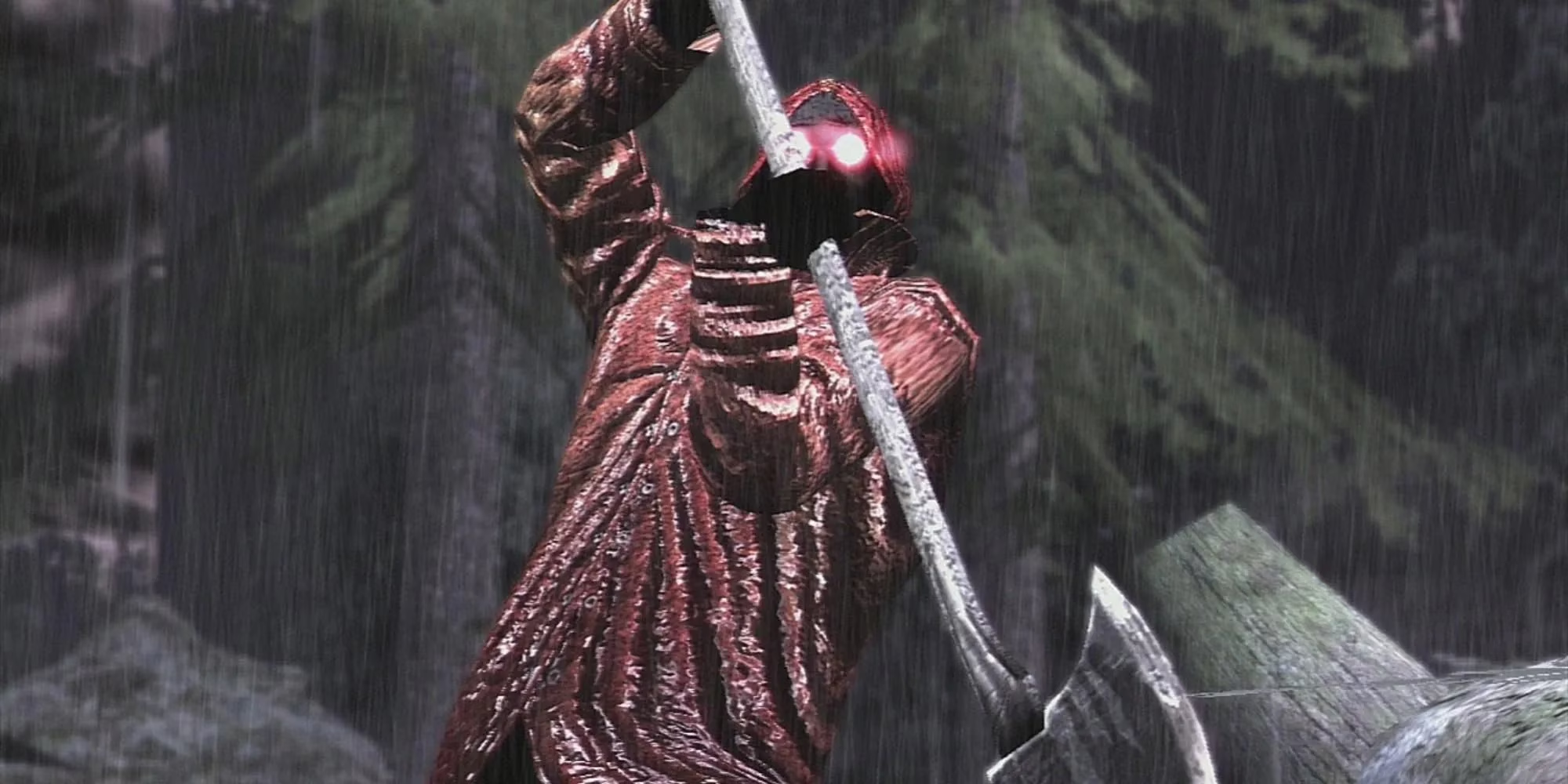
Sometimes, the monster is the guy you might pass on the street. Deadly Premonition blends the mundane and the supernatural in the town of Greenvale. The Raincoat Killer is a human murderer whose belief in obtaining immortality through heinous acts creates a uniquely disturbing mythos. The horror lies in the juxtaposition of quirky small-town life and the brutal reality of human evil festering within it. It’s a testament to how ordinary settings can breed the most extraordinary horrors.
🧠 The Asylum Within: Monsters of the Mind
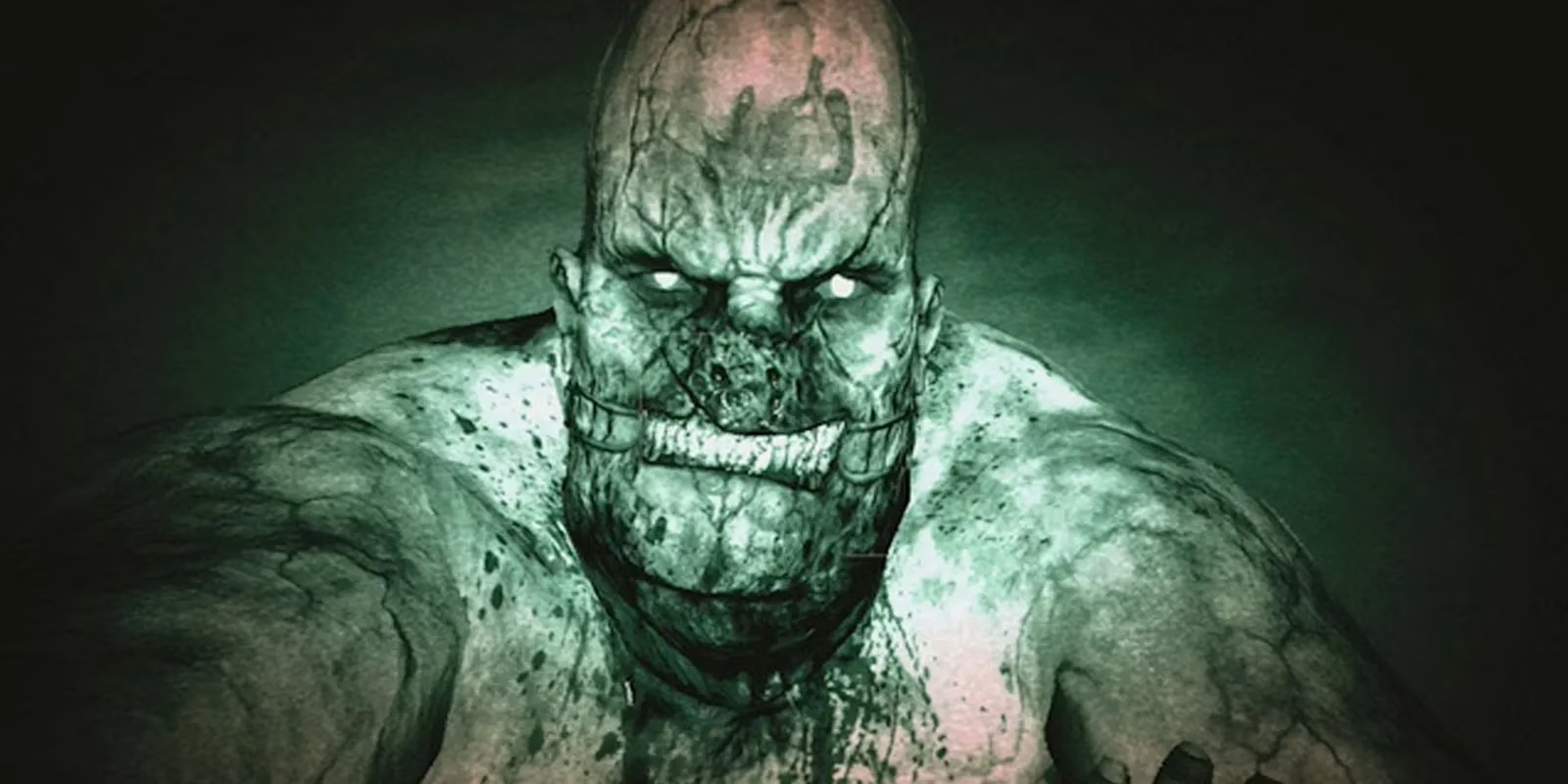
Outlast presents perhaps one of the most tragic forms of human monstrosity. The inhabitants of Mount Massive Asylum, like the iconic Chris Walker, are victims themselves—their humanity eroded by trauma, experimentation, and severe mental illness. Their monstrous appearances are often self-inflicted, manifestations of shattered psyches. This creates a complex, uncomfortable fear. You're scared of them, but also scared for them and the system that created them. It's horror born from empathy twisted into terror.
💎 The Ultimate Corruption: Human Greed
No discussion is complete without BioShock. The ruined underwater city of Rapture is a monument to human hubris and avarice. The Splicers you encounter aren't aliens or zombies; they're people utterly destroyed by their addiction to ADAM, a substance that promised perfection but delivered madness. The real monster in Rapture was never a single entity—it was the unchecked greed and objectivist ideology that turned a utopia into a tomb. It's a powerful, philosophical horror that shows how the pursuit of perfection can make monsters of us all.
Final Thoughts:
So, why are human monsters in games so effective? Because they're plausible. They tap into our deepest social fears—betrayal, corruption, and the potential for evil that exists in everyone. In 2026, as games become more narratively sophisticated, this exploration of the human heart of darkness feels more relevant than ever. These games don't just make us jump; they make us think, and often, they make us look inward. And that might be the scariest quest of all.
TL;DR: The next time you play a horror game, look closely. The most terrifying monster might not have fangs or claws... it might just be wearing a familiar face. 😨
Comments