I awaken in a neon-lit metropolis, the roads littered with hastily abandoned cars. I stumble across pools of blood and clumps of cotton candy, watching as other confused souls pilfer through cooler boxes and old dusty lockers. I’m not sure who left behind this carnival of a crime scene, but my guard is up, so I grab the nearest pipe and carefully make my way towards the bridge, hoping I can escape this strange nightmare. But as I find myself edging closer towards the gate, ready to unlatch the padlock, I hear the squeaking of clown boots on tarmac.
That scene is straight out of Killer Klowns from Outer Space: The Game, the asymmetrical horror title that launched in 2024 and has since gathered a loyal following—and for good reason. Based on the cult classic ‘80s slasher film, the game pits seven survivors against three alien jesters who have come to harvest humanity in cotton candy cocoons. While the source material might seem like a bizarre choice, the result is one of the most inventive entries in the genre, standing shoulder-to-shoulder with heavyweights like Dead by Daylight and The Texas Chain Saw Massacre.
Unlike traditional asymmetrical horror games where survivors mostly cower in the shadows, Killer Klowns flips the script. Survivors can fight back. Across every map, you can stumble upon an arsenal of shotguns, revolvers, baseball bats, and even frying pans. Landing a solid blow can pop a klown’s nose—and poof, they’re gone. It’s a breath of fresh air, to be honest. Suddenly, the klowns have to think twice before rushing in, and survivors become a genuine threat. The dynamic forces both sides to be smarter, and that’s where the game truly shines.
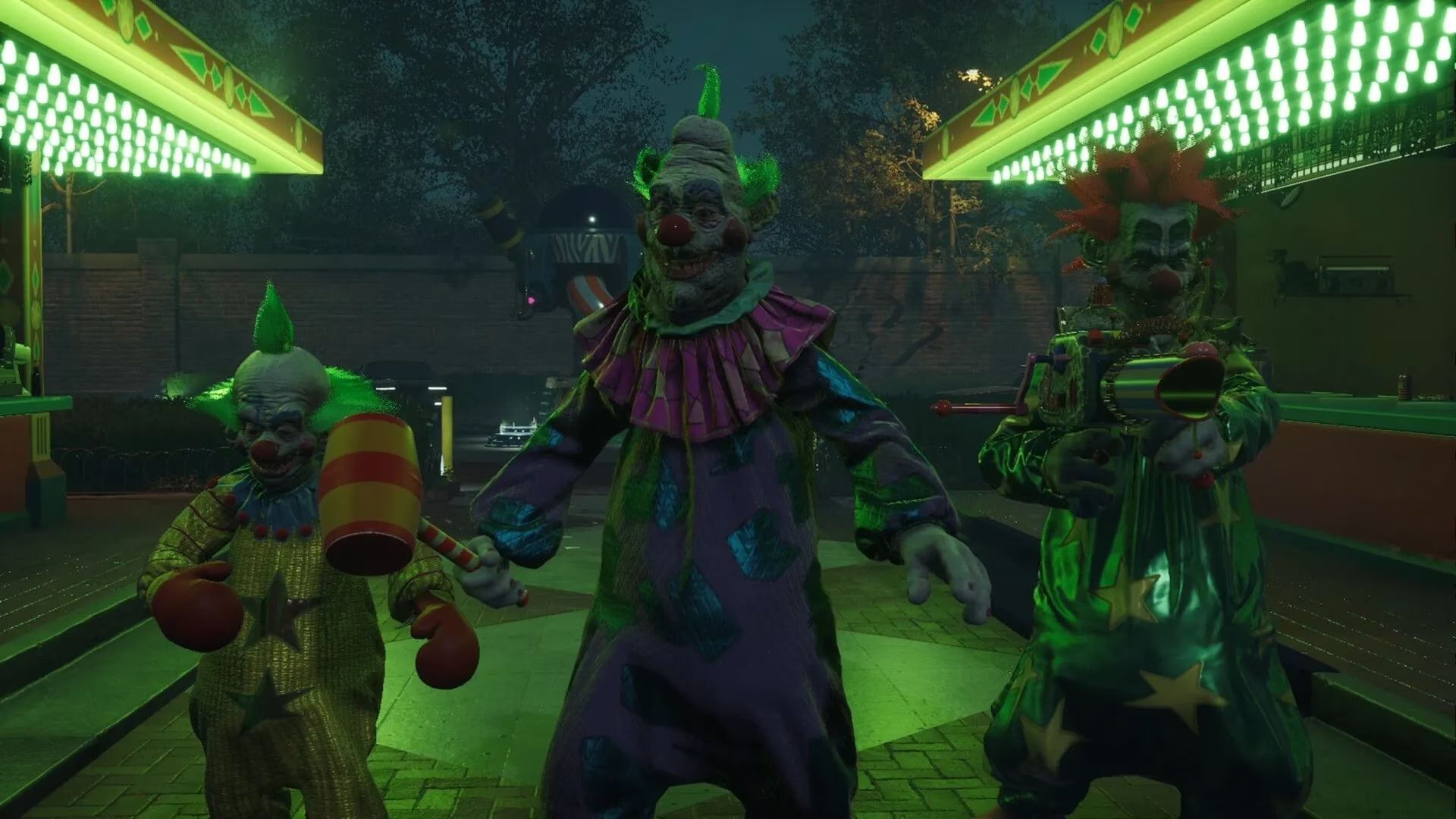
But don’t underestimate the klowns. These interstellar pranksters come loaded with a bag of tricks. They can track humans, lay invisible traps, chase survivors in cloaked cars, and teleport across the map to cut off escape routes. Each klown can also equip interchangeable abilities, making team synergy just as crucial on the killer side as it is for survivors. It’s the first time in the genre that playing the predator feels as collaborative as playing the prey—an achievement that deserves a tip of the oversized cap.
When it comes to finishing off survivors, the game offers a deliciously twisted choice. You can either go full mayhem with a secondary weapon and perform a fatality that would make Mortal Kombat proud, or you can zap a human with a ray gun and wrap them in a cotton candy cocoon. Unless they have a sharp object to break free, they’ll suffocate almost instantly. Cocooning survivors reduces the timer and speeds up the “Klownpocalypse”—a map-wide event that kills everyone if triggered. But beating someone to a pulp with a mace is, well, quicker. There’s a trade-off: immediate satisfaction versus long-term strategic gain. This duality makes every match feel fresh, forcing you to weigh your options in the heat of the moment.
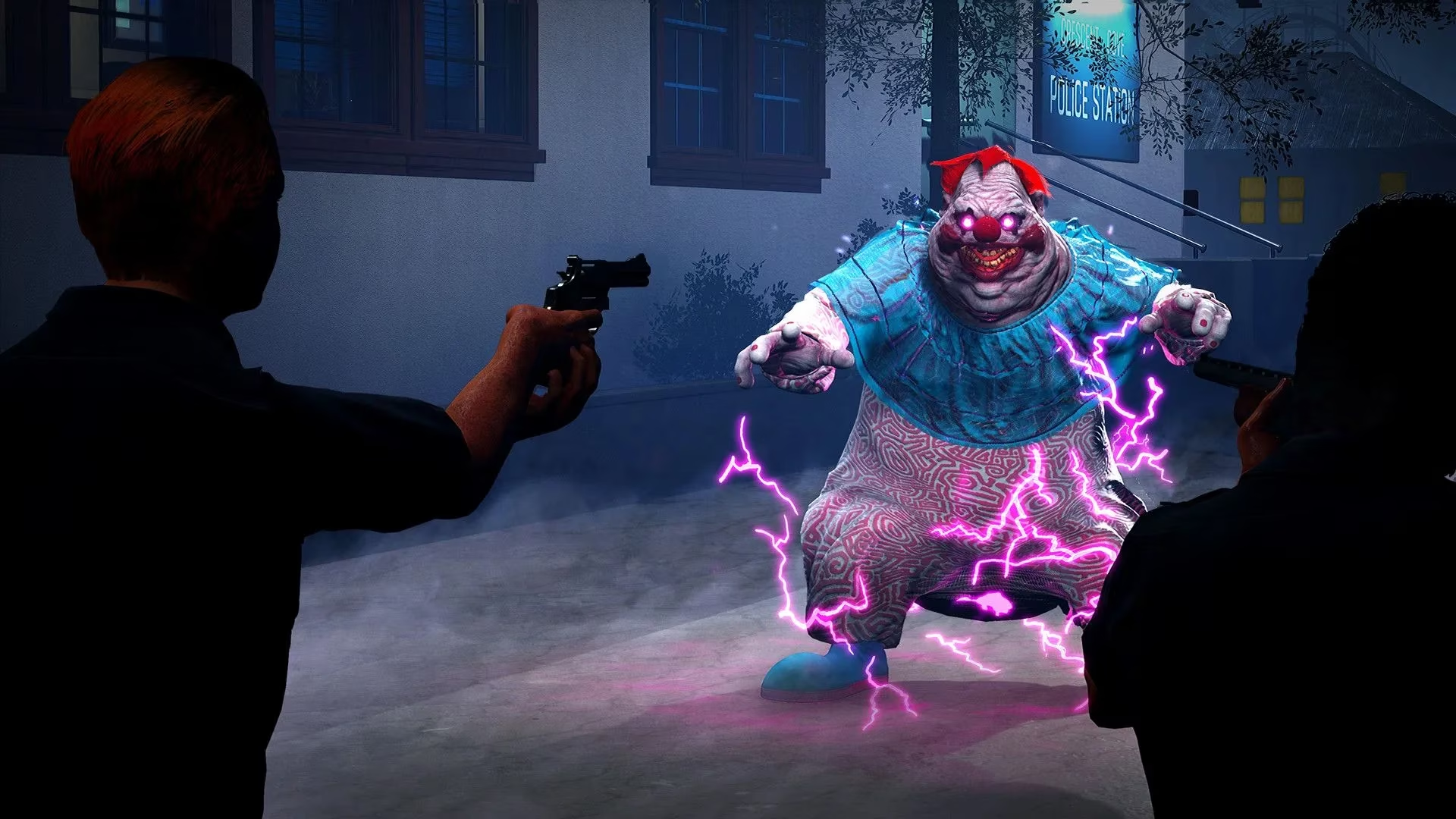
One of the biggest potential pitfalls of having seven survivors is the dreaded wait time after an early death. Nobody likes twiddling their thumbs while six other players are still running around. Killer Klowns sidesteps that nicely with a resurrection system—each survivor can be brought back once per match. And when you’re truly dead, the fun doesn’t end: you can play minigames to drop items to your living teammates. Maybe it’s just a tennis ball to pitifully lob at a klown, or maybe—just maybe—you’ll gift a shotgun to a friend mid-chase. It keeps everyone engaged, and sometimes leads to heroic last-second saves that make the whole lobby erupt in laughter.
Now, let’s talk about the elephant in the carnival tent: the loot system. Items are scattered with no rhyme or reason. A revolver might be chilling next to a burger in a cooler, while a locker stands empty. This randomness can turn pivotal objectives into a scavenger hunt of frustration. Finding spark plugs or keys needed for an escape can feel like a chore when you’re scanning the same sheds over and over. It also messes with the klowns’ ability to predict survivor routes. A lucky player might grab fuel and a plug right by the boat dock and vanish in minutes, leaving the killers scratching their painted faces. A bit more logic in item placement—say, tools in sheds, food in kitchens—would go a long way to tightening the balance and reducing the occasional tedium.
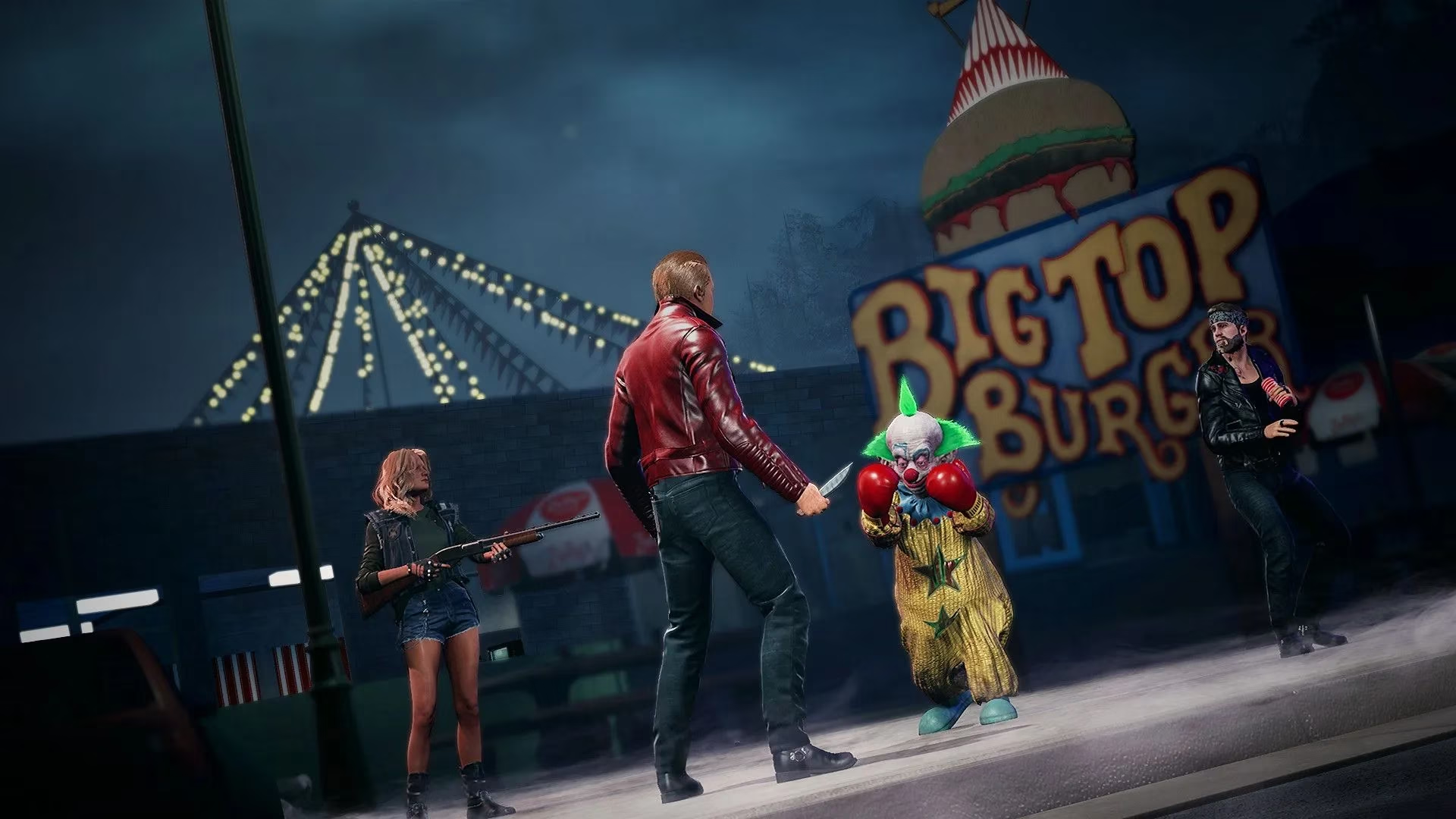
Despite that hiccup, Killer Klowns from Outer Space: The Game stands as a landmark in asymmetrical horror. It’s not afraid to hand survivors real power, and it gives klowns the tools to be cunning rather than just overpowering. The result is a messy, joyful, and deeply tactical experience that grows on you like cotton candy fiber. After two years on the market, its community remains active, and looking back, it’s clear IllFonic built something special. If you’ve ever wanted to fight back against a nightmare—or be the nightmare with a squeaky nose—this is the playground for you.
Industry context is available through Entertainment Software Association (ESA), and it helps frame why an asymmetrical title like Killer Klowns from Outer Space: The Game can thrive long-term: the experience leans on repeatable match-based sessions, social play, and emergent moments rather than a one-and-done campaign. That broader lens reinforces how features like survivor counterplay, team coordination on both sides, and short-form objectives can translate into durable engagement—especially when the design keeps every round feeling different through shifting loot, escape routes, and mid-match reversals.
Comments