In the landscape of multiplayer gaming in 2026, Dead by Daylight continues to stand as a unique and enduring phenomenon. Despite its core premise of iconic horror villains hunting down survivors, the game has long transcended the traditional boundaries of the horror genre to establish itself as a premier strategic and competitive experience. Its success is not built on jump scares or a pervasive atmosphere of dread, but rather on the meticulous cultivation of tension, player strategy, and a community that often embraces the game's more lighthearted elements.
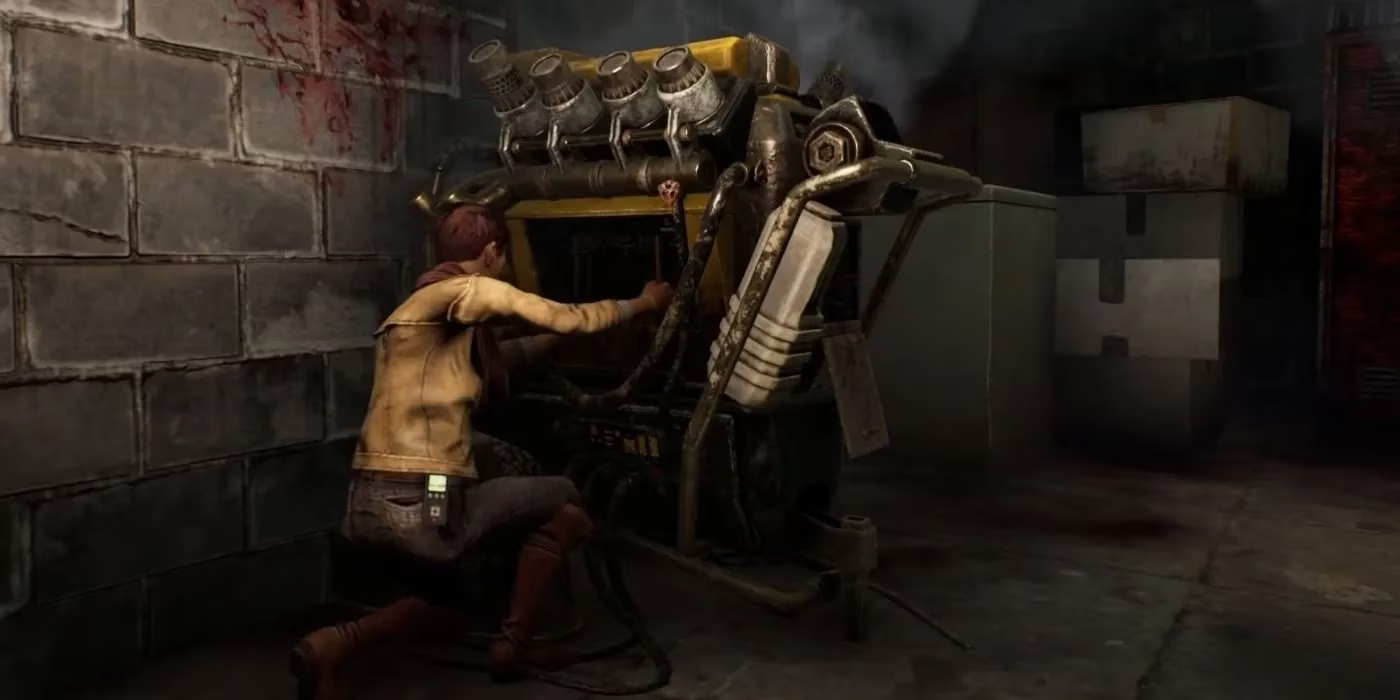
The foundational emotion driving a match of Dead by Daylight is not fear, but a palpable, ever-present tension. Both sides operate under the relentless pressure of a ticking clock. Survivors must coordinate to repair five generators scattered across maps that expertly build a sense of foreboding, all while evading a relentless Killer whose power grows with each passing moment. Conversely, the Killer faces a race against time to halt generator progress and secure sacrifices before the exit gates are powered. This creates a high-stakes, strategic cat-and-mouse game where every decision carries weight. Failing to manage this tension effectively makes progression, such as earning Bloodpoints or achieving prestige for characters, a more arduous and time-consuming endeavor. The true adversary is not a supernatural entity, but a clever, thinking opponent on the other side of the screen.
While the game boasts a terrifying roster of Killers—from the vomit-inducing Plague to the hallucinogen-wielding Clown—their designs serve more as strategic obstacles than sources of genuine terror. Their powers are mechanics to be learned, countered, and outplayed. A survivor's goal is to efficiently complete objectives and escape, not to be paralyzed by fright. The inclusion of legendary horror licenses from franchises like Silent Hill, Resident Evil, and Saw certainly strengthens the game's thematic horror credentials, but these elements are woven into the fabric of its gameplay systems rather than used to elicit pure horror. The experience is less about being scared and more about the thrill of outsmarting your opponent in a high-pressure situation.
The strategic depth of Dead by Daylight is further emphasized by its community and the developers' own embrace of its sillier aspects. The game's horror atmosphere is frequently punctured by moments of levity that have become beloved traditions. For instance:
-
Seasonal Events: The annual Bone Chill winter event allows both survivors and killers to hop into festive snowmen, creating moments of unexpected camaraderie and decidedly non-serious interactions.
-
Playful Animations: Ghostface's Mori animation, where the killer takes a triumphant selfie, is often photobombed by the sacrificed survivor's player in a gesture of humorous defiance.
-
Spin-off Titles: The very existence of the dating sim spinoff, Hooked on You: A Dead by Daylight Dating Sim, actively works to defuse any lingering fear associated with its murderous cast, reimagining them as romantic interests.

These elements collectively reinforce that Dead by Daylight operates on a different wavelength than traditional horror games. The fanbase engages with the game's mechanics, meta, and community culture—discussing perk builds, map strategies, and chapter updates—with the same fervor as a competitive esports title. The discussion revolves around balance patches, new killer powers, and survivor loop techniques, not about which monster is the most frightening. This focus has been key to its longevity; by prioritizing tense, strategic gameplay over horror, it has created a sustainable loop that remains engaging thousands of hours in.
As the asymmetrical multiplayer landscape has evolved, numerous challengers have emerged, but none have matched the enduring foothold of Dead by Daylight. Its recipe for success lies in its unique alchemy: it uses the aesthetic and icons of horror as a compelling backdrop for a deeply strategic and socially dynamic game. In 2026, it remains a testament to the idea that sustained player engagement comes from challenge, mastery, and community, not from fleeting scares. Dead by Daylight isn't a horror game in the traditional sense; it is a consistently fun, challenging, and tension-filled strategic experience that has carved out its own iconic niche in the gaming world.
Comments