I used to think true horror required solitude. The best scares in Silent Hill 2, Amnesia: The Dark Descent, and Outlast came from being alone in a hostile world, forced to solve dreadful problems by myself. But after hundreds of hours in cooperative survival horror games, I have learned a more unsettling truth. The presence of other people can be far more terrifying than an empty hallway. Games like Dread Hunger, Dead by Daylight, Phasmophobia, and Back 4 Blood have spent the last few years dismantling my confidence in teamwork. They prove that hell is other people, especially when those people are panicking, lying, or deciding to leave you behind.
When Horror Forces You To Split Up
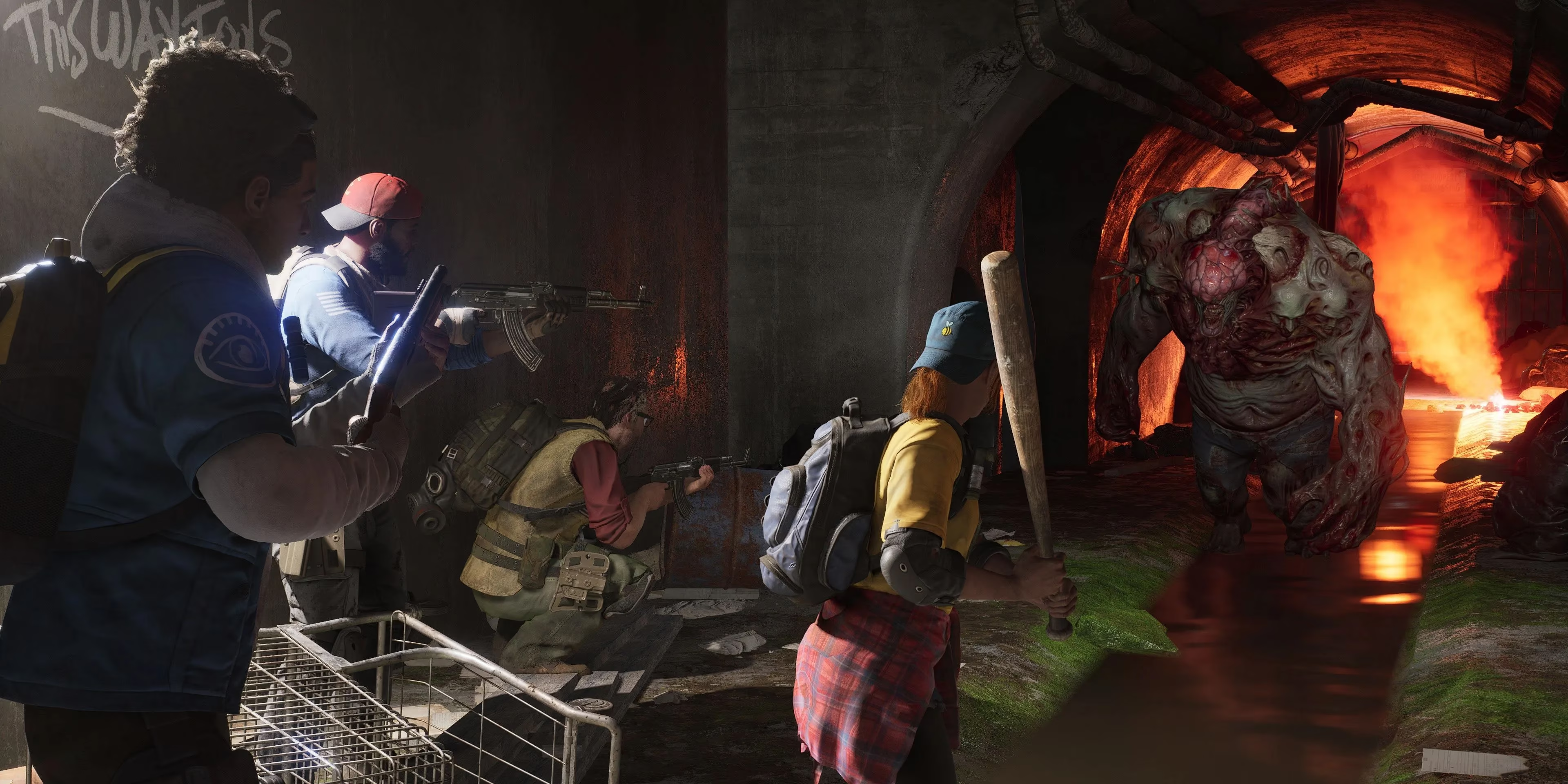
The first rule of any horror movie is simple: do not split up. The Left 4 Dead series understood this and turned it into game mechanics. Special Infected such as the Smoker, Hunter, and Jockey were designed not only to damage players, but to drag them away from the group. In my own matches, the moment a teammate was yanked into a dark alley or pulled through a window, the entire team collapsed into panic. People shouted, ran the wrong way, and sometimes made the situation worse.
Spiritual successor Back 4 Blood continues that tradition with its Ridden mutations. Those creatures grab, pull, and create chaos that isolates individual cleaners even while we are all standing close together. That feeling of being physically close but functionally alone is one of the smartest tricks cooperative horror has ever used.
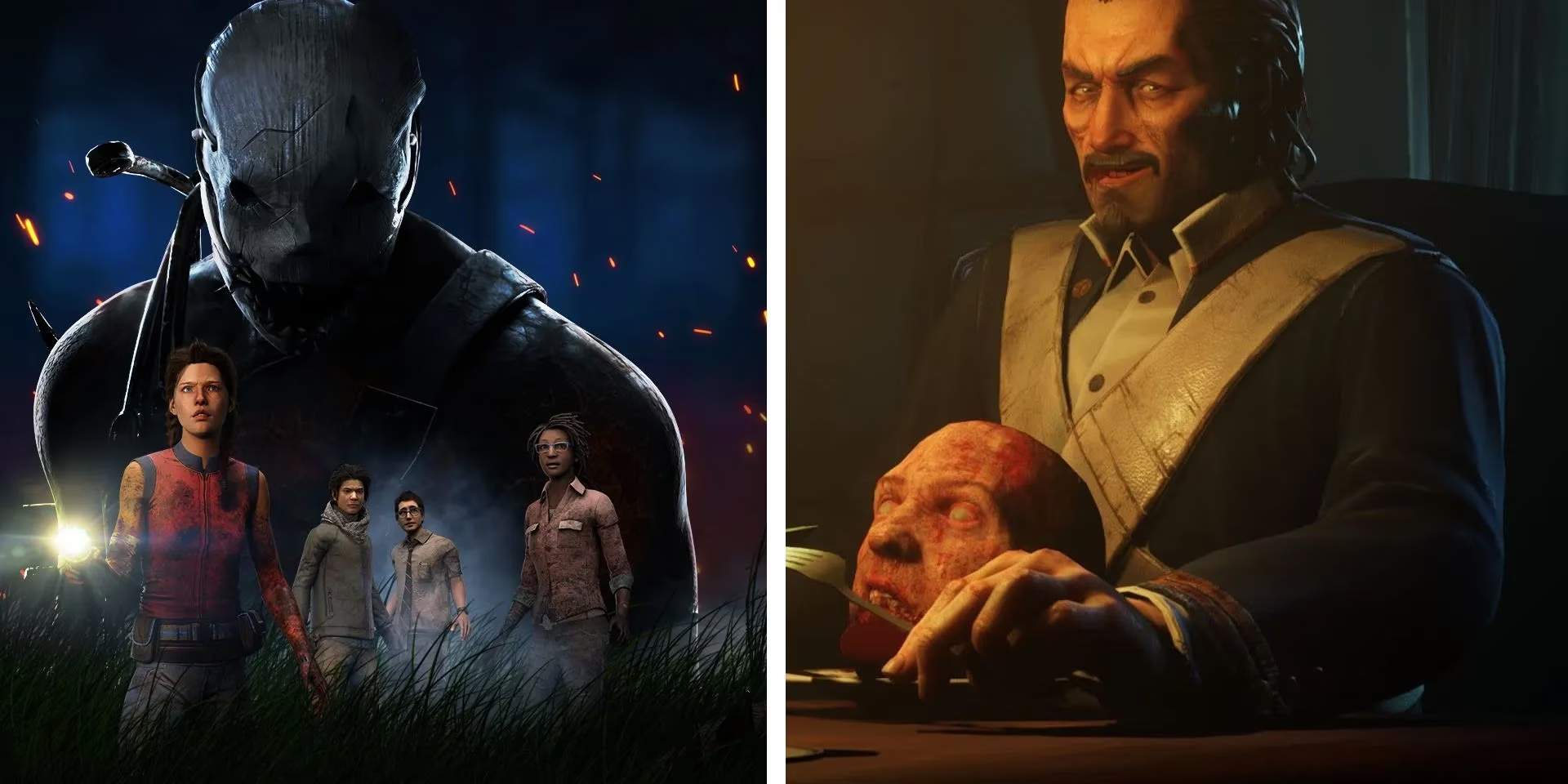
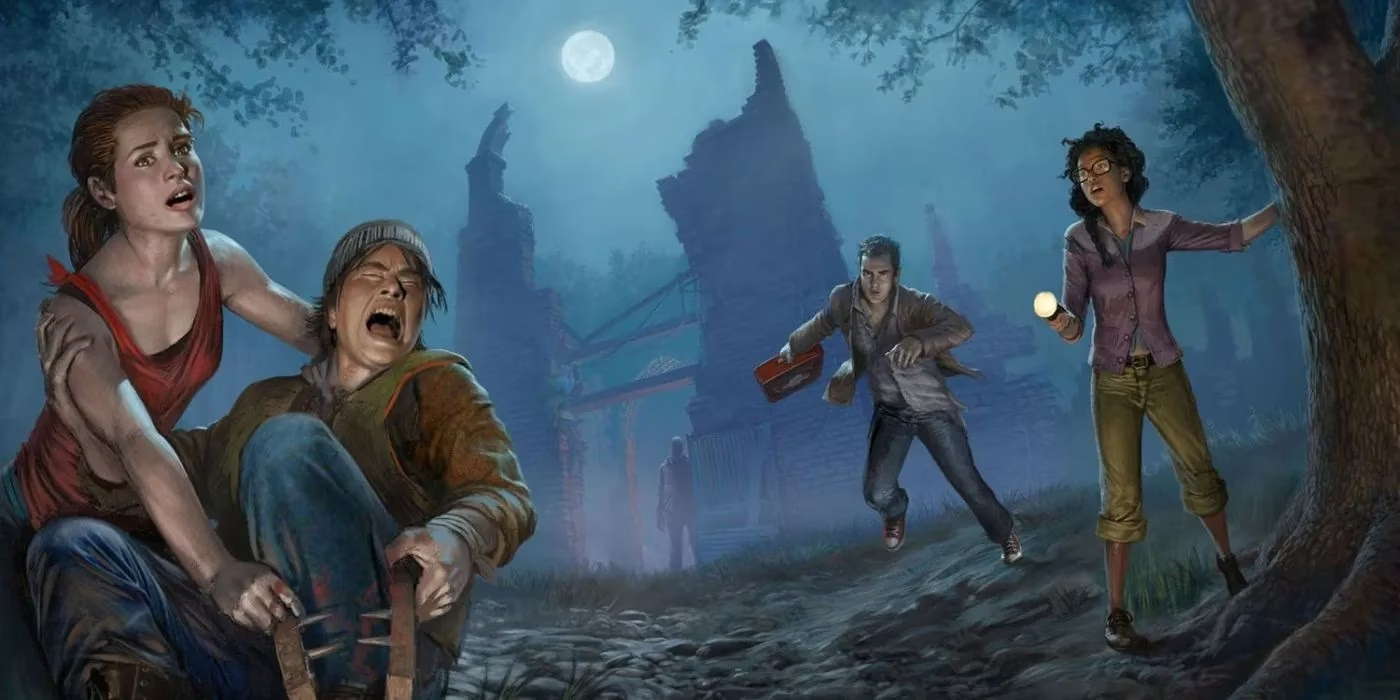
I see the same philosophy in escape the killer games like Dead by Daylight. Four survivors work on generators, but the killer only needs to land one good hit to turn the trial into a rescue mission. When that happens, the team has a terrible choice: stay together and risk multiple downs, or scatter and leave the injured person to crawl. I have been on both sides of that decision, and neither feels good.
The Horror Of Choosing Yourself
There is a special kind of personal horror that appears when a game asks me to risk my own survival for someone else. In Dead by Daylight, a caught survivor is placed on a meat hook and left to die slowly. Early in a trial, rescue makes sense. Near the endgame, when generators are repaired and the hatch is open, abandoning a hooked survivor can be the logical move. I have done it. I have watched my friends do it. And every time, the game turns cooperation into a moral test.
Phasmophobia makes that test even more personal. The game listens to what I say through my microphone. If I curse, shout, or blurt out a frightened exclamation, the ghost becomes more aggressive. My own voice is a liability. In one memorable investigation, I whispered the wrong phrase and the entire team heard the ghost start hunting. We stopped trusting each other not because anyone was evil, but because none of us could guarantee self-control.
The Imposter In The Room
Then there are the games that hide a liar among the group. Among Us popularized this paranoid formula. I have playfully ejected innocent crewmates, and I have been wrongly spaced myself. The fear is not about a monster. It is about being alone in an argument while everyone else suspects you.
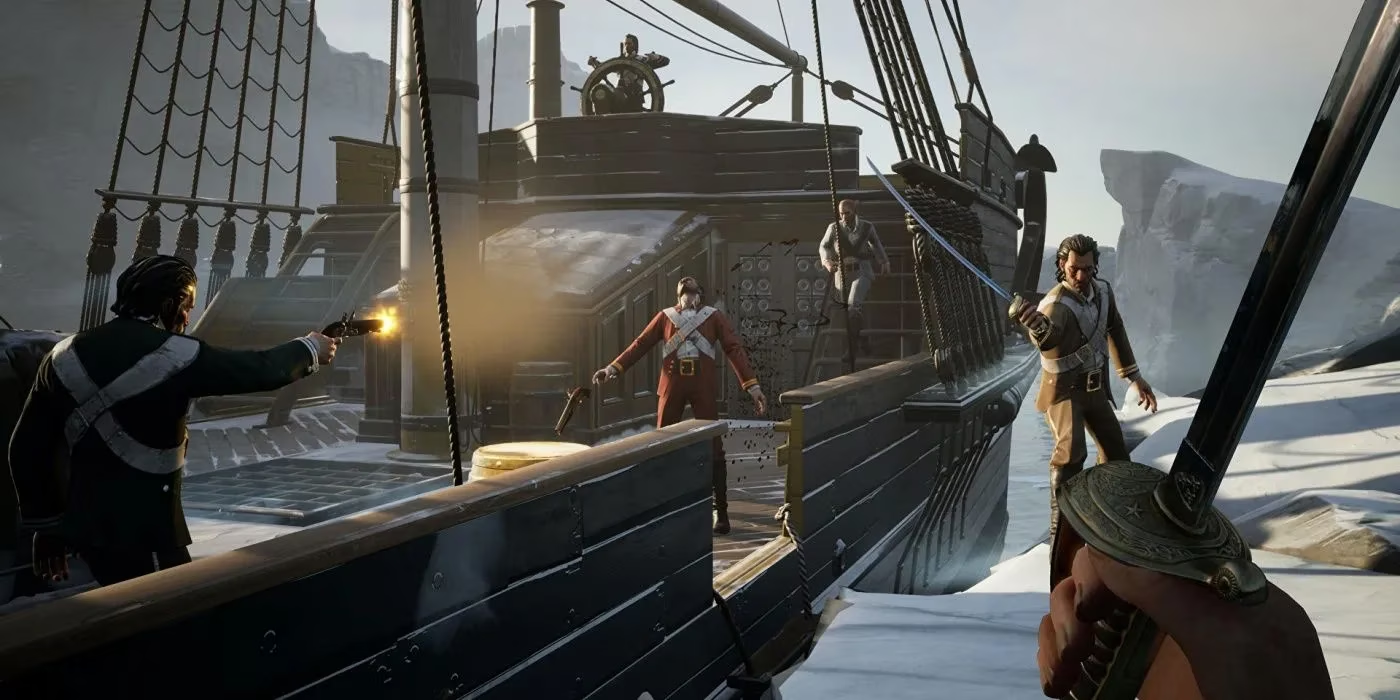
Other games push the idea further into horror. Unfortunate Spacemen puts shape-shifting alien imposters among the crew in a clear tribute to The Thing. Dread Hunger takes a different route, stranding players on an Arctic ship where some crew members may be secret cultists sabotaging the voyage. The cold, the starvation, and the betrayal make every conversation tense. In 2026, I still find Dread Hunger one of the most uncomfortable cooperative experiences because it makes survival and trust part of the same failing system.
Each of these games isolates me in a different way. Left 4 Dead and Back 4 Blood pull the team apart physically. Dead by Daylight and Phasmophobia make me question whether I should help or save myself. Among Us and Dread Hunger make me question whether the person speaking is even on my side. Solo horror may leave me alone, but cooperative horror leaves me surrounded by people and still completely afraid.
Comments