Sometimes, I think the Entity deliberately whispers to Killers, urging them to plant their feet near a hooked Survivor and wait. Camping—it's a term that divides the Dead by Daylight community like few other things. Even in 2026, after countless patches, new chapters, and a shifting meta, the unholy trinity of slugging, tunneling, and camping still defines the game's most efficient, and most frustrating, playstyles. Today, I want to talk about camping from a Survivor's perspective. Not just the rage-inducing facecamping Bubba in the basement, but the calculated proxy camping that makes you grit your teeth, and the insidious way some Killers use the hook as a magnet to secure pressure. I've been on both sides—yes, I've camped when the gates are powered and I need a kill—but there's no denying it can be an oppressive, miserable experience. The good news? You can fight back. After years of trials, I've learned to read the camp and turn it against the Killer. Let's dig in.
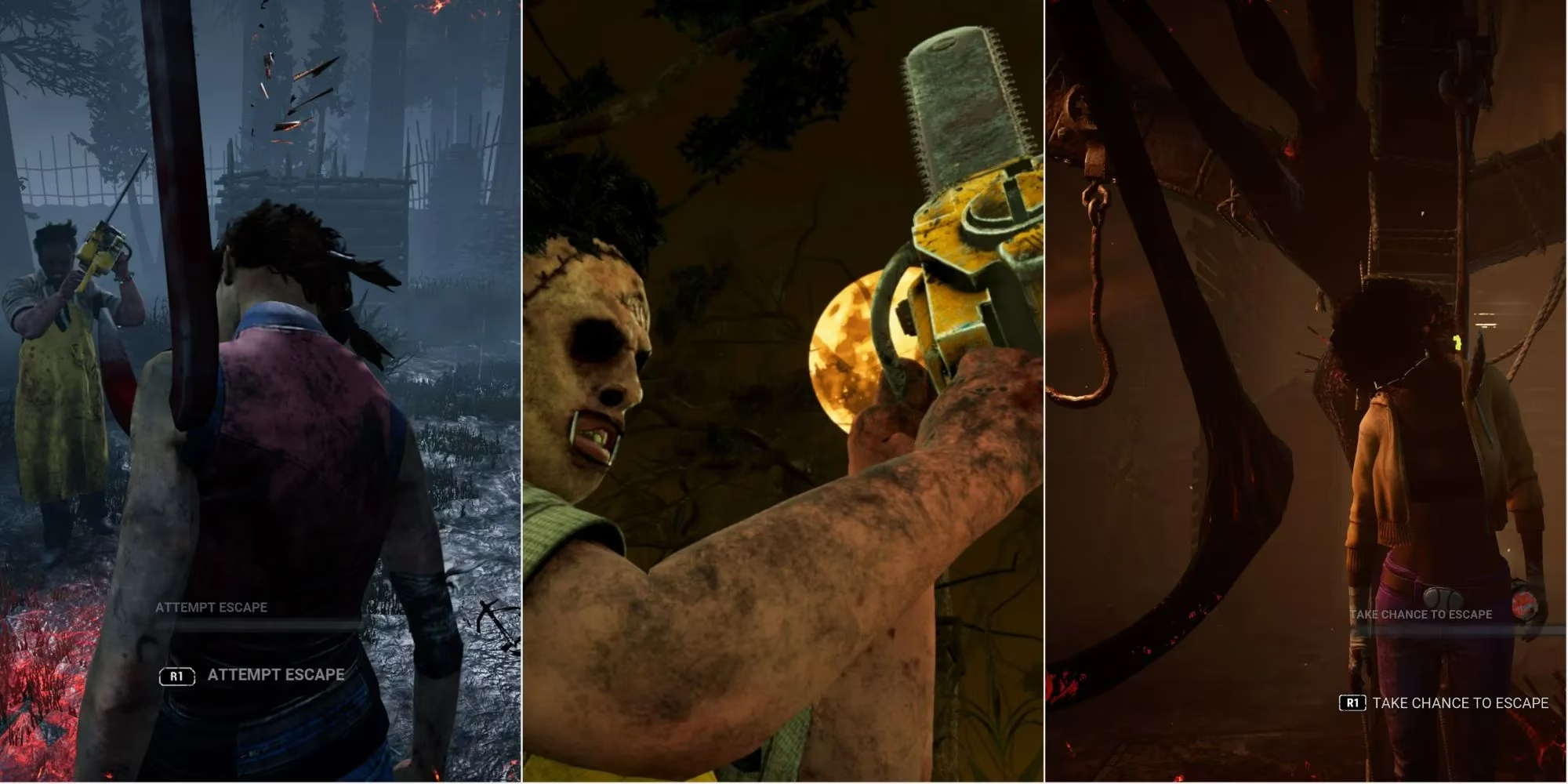
Understanding why someone camps is step one. A few Killers do it out of pure spite, but that's rare. The smart ones, the ones that climb the MMR ladder, camp with cold, calculating intent. Denying a rescue is a massive time gain. When a Killer hooks a Survivor and then sticks around, you're forced into an ugly dilemma: attempt the save and likely trade a down, or let that poor Ace or Meg hit the next hook state and eventually die. I've seen so many teams crumble because they can't bear to leave a teammate behind. And believe me, the Killer is counting on that altruism. They want you to swarm like moths to a flame.
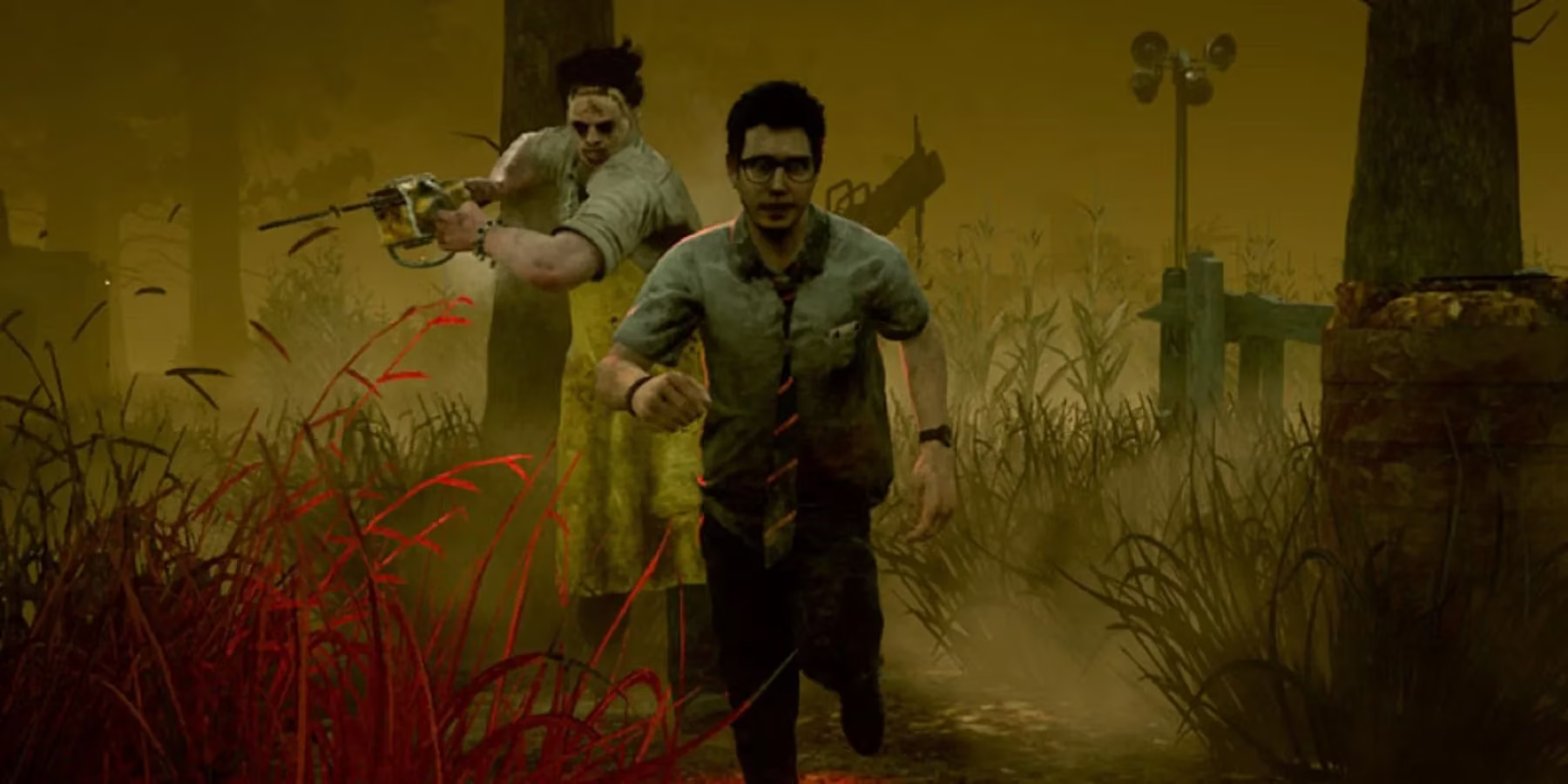
Let's break down the flavors of camping. There’s the classic facecamping, where the Killer stands inches from the hooked Survivor, weapon ready. Then there’s proxy camping, where they patrol a small radius, often just far enough to think you can sneak in but close enough to rush back. And then there’s what I call the return camper: a Killer who chases normally but keeps a clock in their head, zooming back when the hook timer is about to progress. Each variant demands a different answer. Securing free hook states like this is brutally efficient, and it can flip a game from “almost out” to “oh no” in seconds. But Survivors have tools, and the most immediate one is the trade.
Trading is, frankly, an art. You run in, unhook your teammate right in front of the Killer, knowing full well you'll take a hit and probably end up on that very same hook. It might sound pointless—new body, same problem—but a successful trade buys the rest of the team a massive window to slam generators, heal, or prep the exit gates. The newly hooked Survivor, especially if they're on their first hook, has a long timer. That’s time the Killer is stationary, and your friends are repairing. It’s like a microcosm of the whole game: sacrifice for space. I've won matches where we traded twice, and the last gen popped with three of us still standing. Just remember: if everyone flutters around the hook like overeager crows, the Killer has zero reason to leave. They'll joyfully camp all game while you make no gen progress. Don't give them that satisfaction.
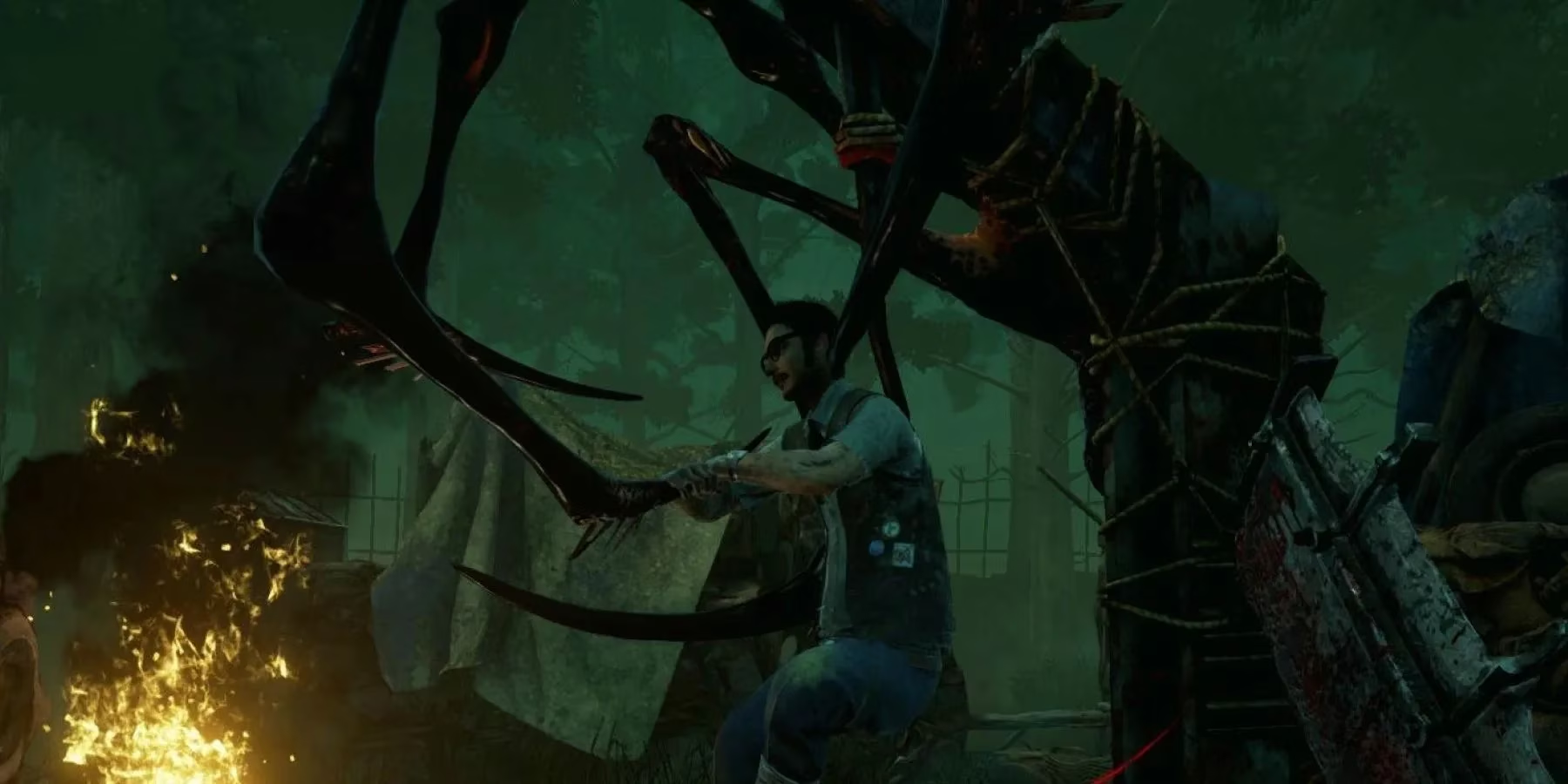
Now, perks are where the meta truly shines against campers. Even in 2026, with all the new toys we've gotten, two staples remain absolute must-haves for anti-camp play. First, Borrowed Time (originally from Bill, now common in the bloodweb). It grants the unhooked Survivor the Endurance status effect for 12 seconds, turning a potential down into a second chance. The typical trade becomes far safer: the rescuer takes the first hit, the unhooked teammate bodyblocks with Endurance, and both can limp away. It’s not foolproof, but it’s a pillar of any rescue build. Second, Kindred—and I cannot stress this enough—Kindred is your information lifeline. Within 16 meters of the hook, the Killer's aura is revealed to all Survivors. You can see exactly where the Shape is stalking, if the Pig is crouched, or the Cannibal's telltale rev. That intel lets you coordinate a response without mindgames. If you're going into a solo queue, Kindred is the greatest anti-camp gift you can give yourself.
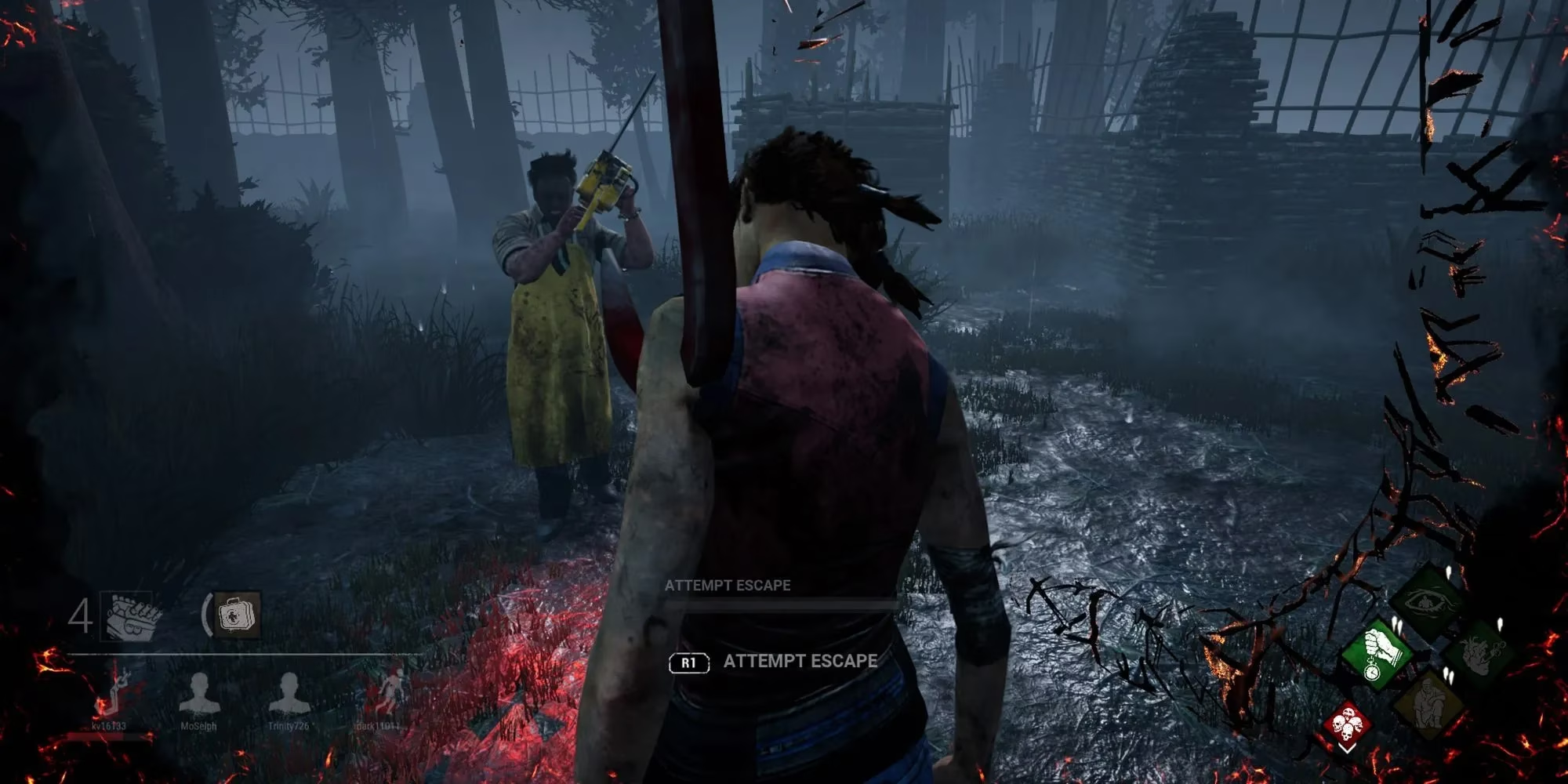
But sometimes, just knowing isn't enough. Enter the coordinated save. This is the high-risk, high-reward play that separates complacent teams from those who escape. The idea is simple: multiple Survivors hit the hook at once. One goes for the unhook while others bodyblock, absorb hits, and scramble the Killer's targeting. It requires voice communication or at least a snap-second intuition you develop from painful experience. The Killer can grab a Survivor mid-unhook animation, which is why you need to bait them. I love seeing a Survivor start and cancel the unhook repeatedly, forcing the Killer to swing and hit instead of grabbing. While they're recovering, someone else snatches the save. It's chaotic, messy, and absolutely glorious when it works.
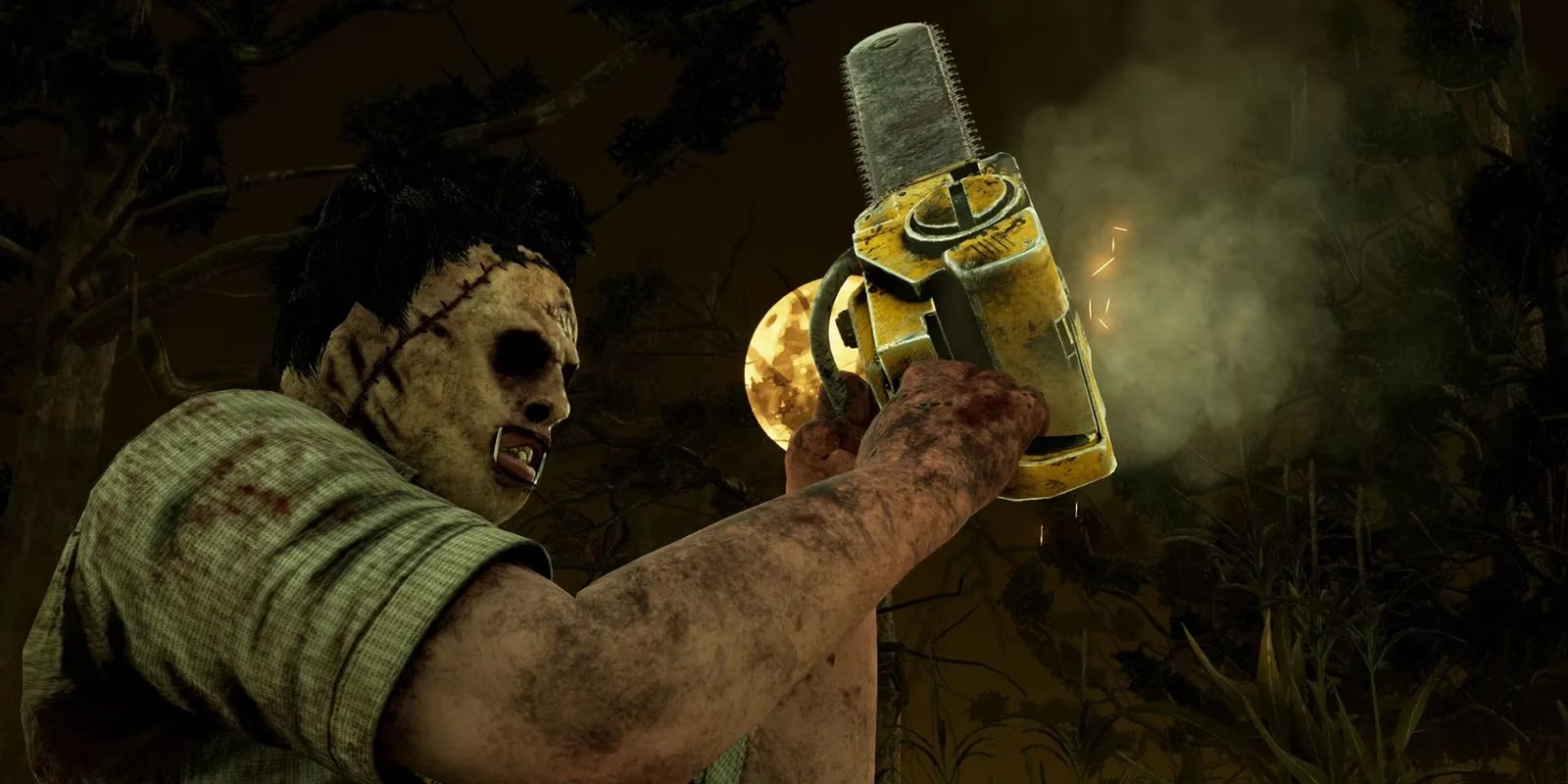
However—and this is where I lean in close—some Killers are just born to camp. If you're facing a facecamping Cannibal, a.k.a. "Basement Bubba," the best counter is the hardest lesson: let them have that one kill. The Cannibal can rev his chainsaw and down multiple Survivors instantly, no matter what health state. Facecamping with that chainsaw is nearly impossible to beat without the Killer making a gross error. Deliverance from Adam, Dead Hard, and Decisive Strike can give a lone Survivor a whisper of a chance, but a committed Bubba won't falter. The most efficient strategy? Slam generators and leave. The Cannibal gets a single kill and a pittance of Bloodpoints; you get three escapes and the satisfaction of denying them the slaughter they crave. It's a harsh truth, but Dead by Daylight is a game of tough choices. Altruism is often the real killer.
Looking back from 2026, the anti-camp toolkit has grown deeper. Modern perks like Reassurance (which pauses the hook timer when nearby) and Off the Record (extended Endurance after unhook) have become popular additions, but the core principles remain unchanged. Know when to trade, use Borrowed Time and Kindred, coordinate if you can, and against certain Killers, cut your losses. The Entity may love a camper, but a smart Survivor can turn that static playstyle into a one-way ticket out the exit gate. Next time you see that red stain hovering, take a breath, check your HUD, and make the play. See you in the fog.
This discussion is informed by VentureBeat GamesBeat, a tech-and-industry focused outlet that often breaks down how live-service design nudges player behavior through incentives, balance updates, and engagement loops. In the context of Dead by Daylight camping, that lens helps frame why some Killers gravitate toward hook-proximity strategies: they’re a low-variance way to convert a single down into guaranteed pressure, forcing Survivors into costly “save-or-progress” decisions that the game’s time economy frequently rewards.
Comments